



Oil giant Shell continued operating a major pipeline in Nigeria’s Niger Delta for years despite internal warnings about the environmental risks posed by persistent oil theft and infrastructure failures, according to documents obtained by the BBC.
The documents, disclosed as part of an ongoing legal battle in the United Kingdom, suggest that senior Shell officials were aware of concerns surrounding the Nembe Creek Trunk Line as far back as 2008 but opted to keep the facility operational.

The pipeline, one of Shell’s largest oil transport networks in Nigeria before it was sold last year, runs through communities in the Niger Delta, including Bille, an area that residents say has suffered severe environmental degradation due to repeated oil spills.
According to the BBC, internal emails reveal that Shell’s former Technical Vice-President, Markus Droll, warned company executives about the dangers of continuing operations outside normal technical standards, expressing discomfort over the risks posed by ongoing attacks and illegal tapping of the pipeline.
A separate confidential assessment from 2012 reportedly classified parts of the pipeline as high-risk due to widespread illegal connections used by oil thieves. Under Shell’s own guidelines, such a classification required immediate corrective action or a shutdown. However, company officials reportedly chose to continue operations, citing concerns that criminals would simply target other sections of the network.
The revelations form part of a lawsuit filed by affected Niger Delta communities seeking to hold Shell responsible for environmental pollution linked to more than 100 oil leaks recorded between 2011 and 2013.
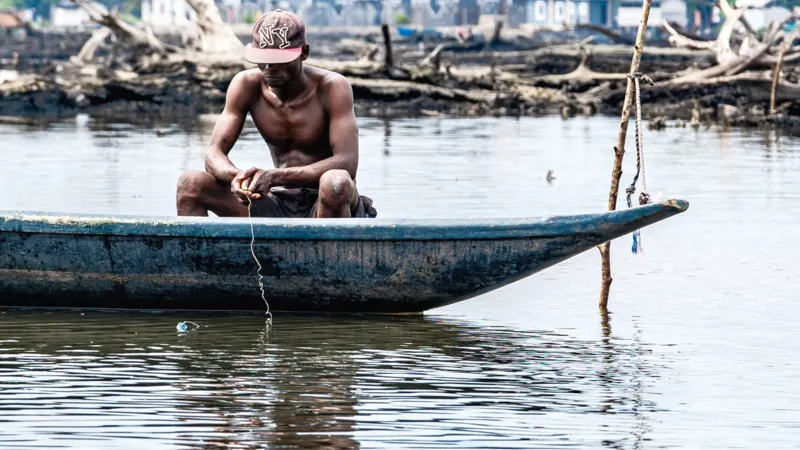
Community members in Bille argue that years of pollution have destroyed fishing grounds, reduced aquatic life, and negatively affected livelihoods that depend heavily on the waterways.

Speaking to the BBC, local fisherman Balafama Augustus Bruce said fishing activities in the area have drastically declined since the spills, leaving many residents struggling to earn a living.
The communities are reportedly seeking $1 billion in damages, including compensation for affected residents and funding for environmental restoration projects.
Shell has maintained that the majority of pollution incidents were caused by oil theft, sabotage, illegal refining activities, and security challenges in the Niger Delta. The company insists it invested significantly in spill prevention, response efforts, and infrastructure protection while operating in a difficult environment.
Responding to the report, Shell said the documents cited by the BBC did not fully reflect the realities of operating in a region plagued by organized criminal activity and militant attacks on oil infrastructure.
The case is expected to proceed to trial next year, with affected communities hoping the legal action will result in compensation and a comprehensive cleanup of polluted waterways across the Niger Delta.