




Nigeria’s Health Minister on Wednesday described safe motherhood is a moral imperative, cornerstone for sustainable development, and a critical measure of a country’s progress.
Reaffirming commitment to ensure that no woman dies while giving life, and every newborn is catered for, with care and dignity, Prof. Muhammed Ali Pate said governments, health professionals, partners, and communities must pride in a shared mission to make childbirth safe for every Nigerian woman, irrespective of her location, income, or background.

The Minister revealed these at the 2025 Safe Motherhood Day commemoration, themed “Innovating for Safer Birth: A Collective Responsibility to Crash Maternal Mortality”.
“For too long, maternal and newborn mortality has plagued our communities, robbing families of their futures and undermining our collective potential. But, today, I am here to affirm that Nigeria is changing that narrative”, Pate was quoted in a statement issued by the Ministry’s Director of Press and Public Relations, Alaba Balogun, on Wednesday.
He also said through the launch of the Health Sector Renewal Investment Initiative, the government has made bold steps in addressing longstanding challenges in its health system, representing a new era of coordination, investment, and accountability.
The new initiative has amongst others, strengthened the Primary Health Care (PHC) system, ensuring greater access to quality maternal, newborn, and child health services, expanded coverage and availability of skilled birth attendants across underserved regions, expanded health insurance coverage in an unprecedented manner, and strengthening of National Emergency Medical Services and Ambulance System, with almost 23 states empanelled.
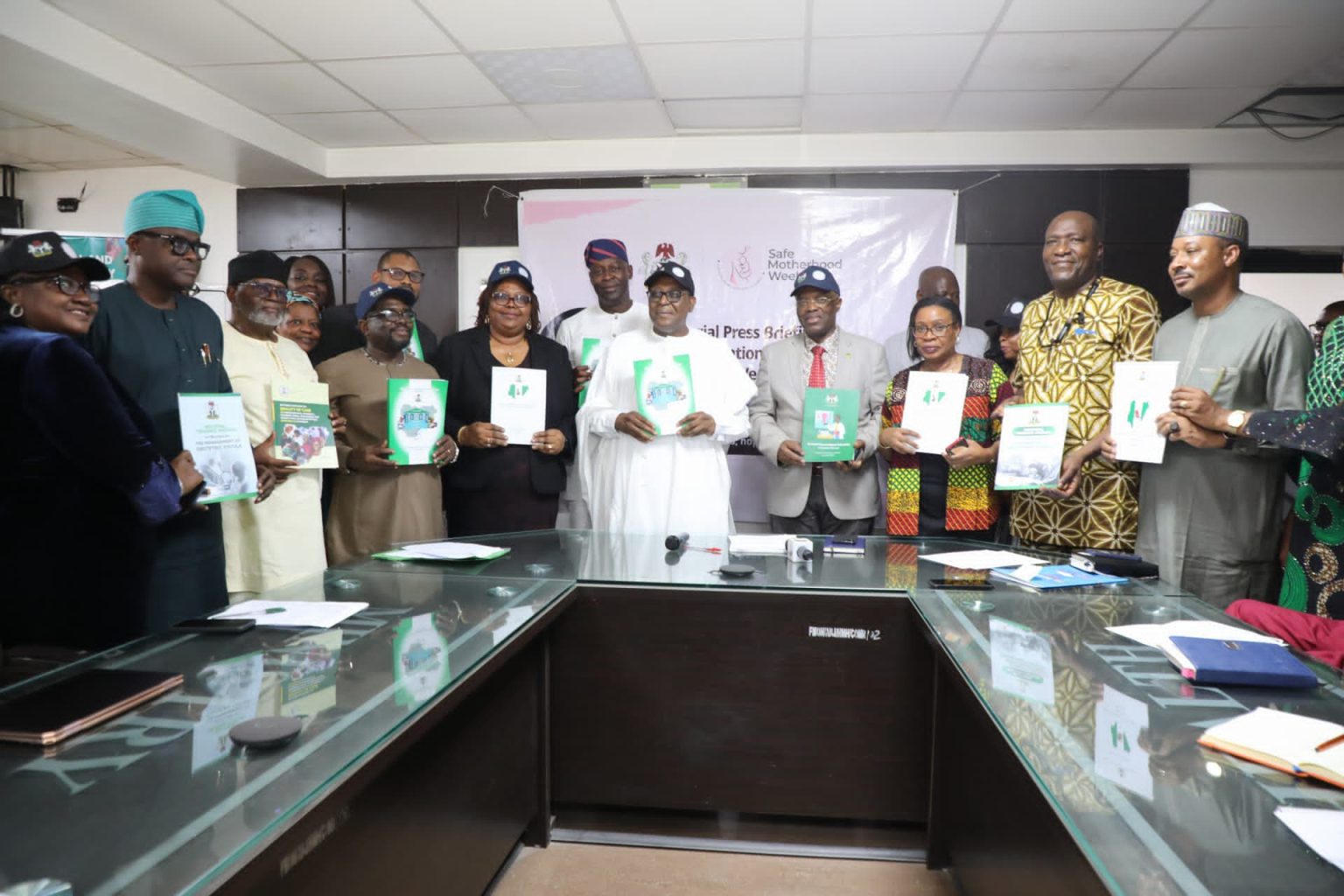
The event also witnessed the Launch of Key Policy and Guideline Documents, a response to emergencies, and building a resilient, people-centered health system that can anticipate and prevent emergencies.

The documents include:
Safe Motherhood Strategy (2024-2028)– our roadmap for coordinated, multi-level interventions to protect mothers’ lives. The document also has national quantification of maternal health commodities (2024-2028).
Guidelines for the Management of Postpartum Hemorrhage (PPH) – to standardize lifesaving practices nationwide.
Preeclampsia and Eclampsia Guidelines – Targeted strategies for timely detection and effective management of hypertensive disorders in pregnancy.
Essential Gynaecological Skills Manuals – to enhance the competencies of health workers managing women’s reproductive health.
The RMNCAEH+N Quality of Care Strategy – a framework to ensure respectful, rights-based, and high-quality care for women, newborns, children, adolescents, and the elderly.
National Training Manual for Doctors and Nurses on the Management of Obstetric Fistula: to provide global standards, user friendly training manual for doctors to provide holistic, respectful, simple, affordable, quality and evidenced based care that will improve quality of life for women and girls living with genital fistula.
Permanent Secretary of the Ministry said it is possible to have a country where no woman dies while giving birth, and seeing this come to fruition will require collective responsibility.
Daju Kachallom said the ministry has prioritised maternal and newborn health as a cornerstone for the country’s health agenda, ” a commitment evident in the policies we have championed, the partnerships we have cultivated, and the interventions we continue to scale”.
She added that while Safe Motherhood Day is a celebration of progress made, and the resilience of mothers, healthcare workers, and communities who continue to push forward, it is also a solemn reminder of the journey many women and girls take through pregnancy and childbirth—sometimes with risk, fear, and without adequate support.
Safe Motherhood Day is with the objective of reducing maternal mortality and morbidity, promoting respectful and inclusive maternity care, expanding access to reproductive and maternal health services, especially in rural and underserved areas, and supporting healthcare workers on the front lines.