



WEST AFRICA: Africa’s most populous nation, Nigeria has received more than a million doses of the pentavalent meningococcal conjugate vaccine (Men5CV) from the Gavi-funded global stockpile, to fight the deadly outbreak of meningitis in the northern part of the country.
Meningococcal meningitis is endemic across the African meningitis belt, and spans around 26 countries. It is an infection of the protective membranes around the brain and spinal cord.

Caused by meningococcus C and W strains, over 70 lives have been lost to the outbreak and more than 800 cases reported across 23 states in the country.
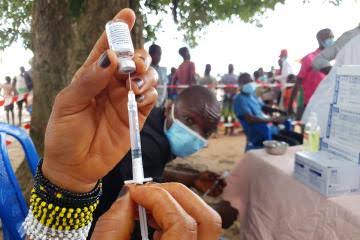
The newly arrived Men5CV will support an emergency vaccination campaign targeted at people aged 1 to 29 — the group most severely affected. The campaign is set to begin in Kebbi and Sokoto states, with Yobe to follow as more doses arrive.
“This is a crucial milestone in Nigeria’s response to meningitis outbreak, health minister, Prof. Muhammad Ali Pate said in a statement.
“It reflects our commitment under President Tinubu’s Renewed Hope Agenda to protect the health of all Nigerians, particularly the most vulnerable,” he said.
“With support from Gavi, WHO, and UNICEF, we are not only containing today’s outbreak but also laying the foundation to eliminate meningitis and strengthen routine immunisation”.

UNICEF Nigeria Representative Cristian Munduate said the arrival of Men5CV was a vital step in protecting children and young adults from a life-threatening illness.
“UNICEF is supporting rapid vaccine deployment, community engagement, and planning alongside Gavi, the National Primary Health Care Development Agency and the Federal Ministry of Health,” she said.
World Health Organization (WHO) Country Representative, Dr Walter Kazadi Mulombo said the Men5CV vaccine is pivotal to Nigeria’s long-term health security. “We are committed to supporting the government to prevent future outbreaks and protect future generations”, he said.
Francisco Luquero, Gavi’s Head of High-Impact Outbreaks, noted that previous vaccine campaigns had eliminated meningitis A in Africa’s meningitis belt.
“Now we are expanding efforts to tackle other deadly strains. Continued investment is critical to protecting progress, controlling outbreaks, and reducing the impact of this disease on families and communities,” he pointed out.