




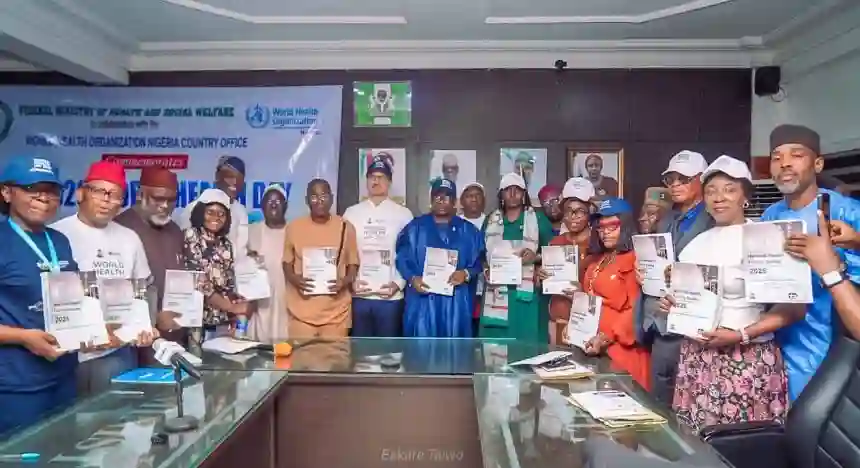
Abuja, April 7, 2026 – Nigeria today marked World Health Day, highlighting the country’s renewed commitment to science-led healthcare, universal access, and stronger health systems. Speaking in Abuja, Dr. Iziaq Adekunle Salako, Minister of State for Health and Social Welfare, while emphasizing on this year’s theme: “Together for Health: Stand with Science”, he said health policies must be guided by evidence, research, and innovation to tackle both existing and emerging challenges.
“Science has always been the backbone of public health progress. From vaccines to digital health systems, scientific discovery continues to save millions of lives each year”, Dr. Salako said.

He highlighted Nigeria’s ongoing health reforms under the Nigeria Health Sector Renewal Investment Initiative, including: Expansion of primary healthcare services, with visits increasing from 10 million in early 2024 to 45 million by mid-2025; Nationwide immunization campaigns, reaching over 102 million children with the measles-rubella vaccine and 14 million girls with the HPV vaccine; Implementation of the Maternal Mortality Reduction Innovation Initiative (MAMII), reducing maternal mortality by 17% in targeted facilities; Growth in health insurance coverage, now benefiting over 21.7 million Nigerians, cutting out-of-pocket expenses and preventing catastrophic spending; and strengthened disease surveillance and outbreak response, including tackling recurring Lassa fever outbreaks.

The Minister also reaffirmed the Nigerian government’s commitment to addressing structural challenges in the health sector, including workforce shortages, limited local production of medicines, and rising non-communicable disease rates.
Permanent Secretary, Dajo Kachollom highlighted the Ministry’s transformative reforms aimed at improving access to quality, affordable, and equitable healthcare. “We have strengthened primary healthcare systems, expanded health insurance coverage, advanced digital health initiatives, and deepened partnerships across sectors to ensure that no Nigerian is left behind”, she said.
Kachollom underscored the importance of engaging with the media, describing journalists as “invaluable partners in public health communication” whose work helps raise awareness, counter misinformation, and amplify life-saving messages.
“As we commemorate World Health Day 2026, we are reminded that the journey toward universal health coverage requires sustained collaboration, innovation, and accountability. The Ministry remains steadfast in its mission to build a healthier, stronger, and more inclusive Nigeria, one where every individual can live a life of dignity, productivity, and hope”, she added.
Delivering a statement at the briefing, Dr. Pavel Ursu, WHO Representative in Nigeria, commended Nigeria’s science-based health strategies. He highlighted global achievements in reducing maternal and child deaths, the lifesaving impact of vaccines, and African-led innovations such as Ebola vaccines and mRNA technology transfer.
“Science must work for everyone. A breakthrough that does not reach those who need it most remains unfinished work”, Dr. Ursu said, urging increased investment in research, technology, and local solutions to strengthen health systems.
Both Dr. Salako and Dr. Ursu emphasized collaboration across sectors, innovation, and evidence-based policies as key to achieving universal health coverage and ensuring that every Nigerian, regardless of income or location, has access to quality healthcare.
World Health Day 2026 serves as a reminder that science, solidarity, and strategic reforms are central to building a healthier, more resilient Nigeria.