



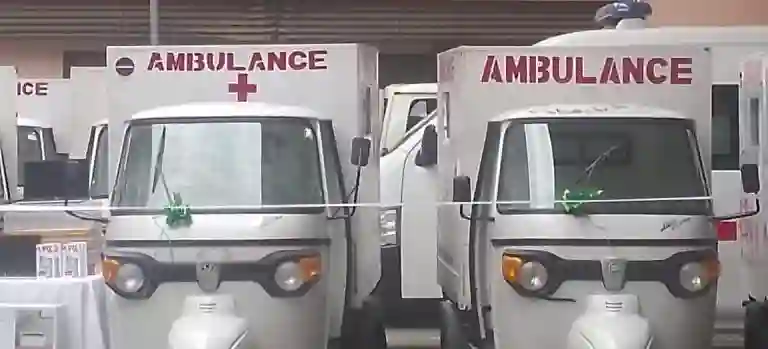
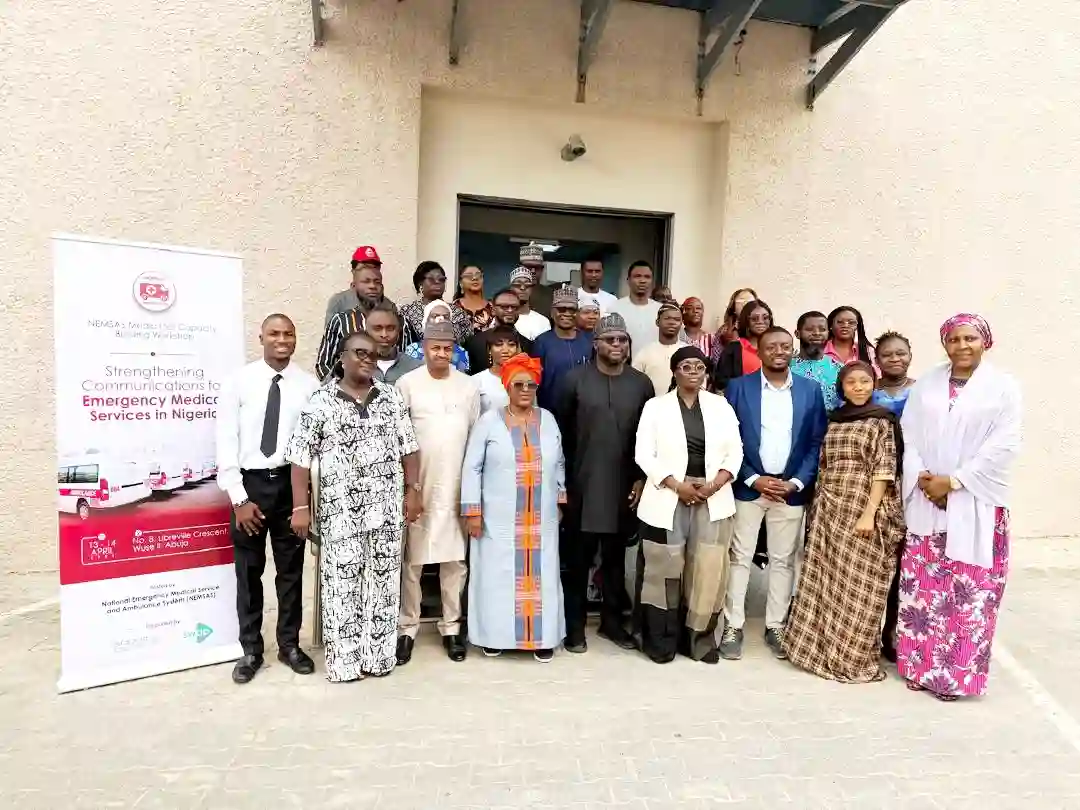
Abuja, Nigeria — Stakeholders in Nigeria’s health sector have called for a paradigm shift in how emergency medical services are communicated, positioning the media as pivotal in saving lives and restoring public trust.
This call to action came during a two-day capacity-building workshop for the Media Cell of the National Emergency Medical Service and Ambulance System (NEMSAS), held in collaboration with the Solina Center for International Development and Research, in Abuja, Nigeria’s capital.
Opening the session, the Executive Director, International Society of Media in Public Health. Moji Makanjuola emphasized that emergency healthcare is not only about ambulances, hospitals, or personnel—but how well people understand and trust the system.

“At the heart of emergency response is timely, coordinated, life-saving intervention. But without informed communities, even the best systems will struggle to deliver impact”, she said.
The respected health advocate described the media as a powerful connector, capable of translating policies into relatable information that communities can act upon. According to her, building trust through transparency and clarity is essential, especially in a sector grappling with skepticism.
“There is a trust deficit in our health system, and we must be deliberate in bridging that gap”, she added.
For Doubra Emurem, the effectiveness of NEMSAS goes beyond service delivery—it hinges on public awareness and engagement.
“People cannot use what they do not understand. Our responsibility is to ensure that accurate, timely, and strategic information reaches every Nigerian”, the NEMSAS National Programme Manager said.
He stressed that media professionals must take on expanded roles as educators, advocates, and watchdogs, particularly in times of crisis where misinformation can spread rapidly.
According to him, the training is designed to equip participants with the tools to communicate responsibly during emergencies, counter false narratives, promote informed decision-making among citizens, and drive demand for emergency medical services.
“We are not just journalists. We are custodians of public trust”, he enumerated.
Adding his voice, in a broader perspective, Dr. Lawal Bakare, the Communications and Innovation Lead, SWaP, challenged participants to see themselves as partners in governance, while linking the importance of communication to Nigeria’s wider health reform agenda, particularly efforts to reduce maternal and neonatal mortality—key indicators of the nation’s health system performance.
“We want the media to go beyond coverage and become co-creators of solutions. Help us identify gaps, shape narratives, and ensure accountability before systems fail.
“If we address these critical areas, we significantly reduce the overall burden on our healthcare system”, he explained.
The workshop also aims to connect NEMSAS operations with broader national health initiatives, ensuring that media practitioners understand how emergency services fit into the country’s long-term reform strategy.
Participants were amongst others, guided to interpret and report health policies accurately, highlight the impact of emergency interventions, and engage communities with clear, actionable information.
Across all speeches, one message remained consistent: effective healthcare delivery is a shared responsibility, and the media is central to making it work.
Makanjuola captured this sentiment powerfully by saying “we have the opportunity to go into communities, understand real challenges, and tell stories that matter. That is how we build trust and inspire action”.
As Nigeria continues to reform its health sector, stakeholders are optimistic that strengthening the media’s capacity will lead to greater public engagement, improved service utilization, and ultimately, better health outcomes. By the end of the workshop, participants are expected to leave not only with enhanced professional skills but with a renewed sense of purpose.