

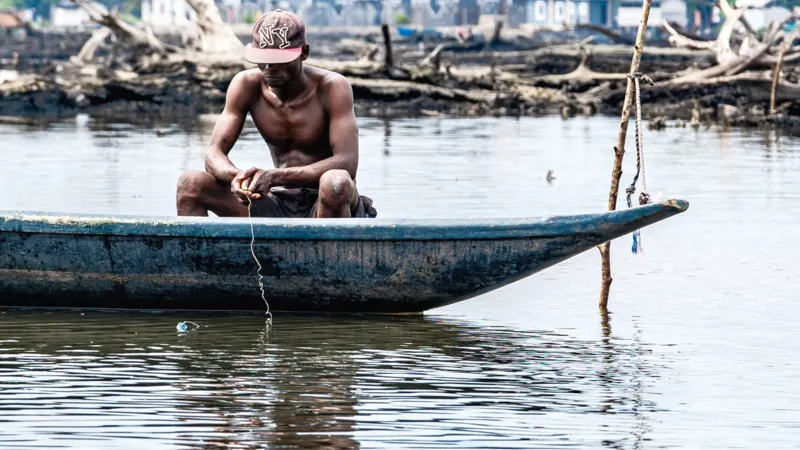


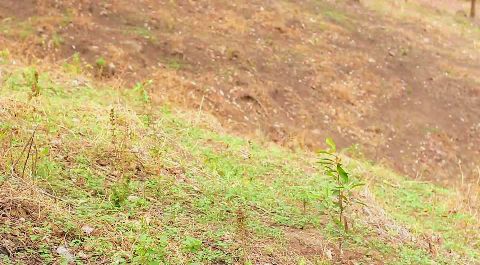
From enhancing the environment, to reducing energy costs, trees are profitable and they create a healthier, vibrant and more greener surrounding for the environment. They offer diverse benefits like improved air quality, enhanced biodiversity, and a sense of place.
They also create economic opportunities, help with erosion control, climate change mitigation and water conservation.

Deforestation reduces plant and animal habitats, putting them at risk of extinction. Forest loss also leads to soil erosion, which may result in landslides and the contamination of water sources. Several reasons are accounted for, as the major causes of deforestation. However, human activities are the major ones.

Kujekwa community, known for its lush farms, meandering rivers, and dense forests in Kuje Area Council of Nigeria’s Federal Capital Territory (FCT), use to be a site for forest reserve, hosting one of the reserves in the FCT.
Nonetheless, it is a shadow of its past, as stated by Baba Soko, the District Head of the community. According to the aged traditional ruler, “the problem began when people started coming here to cut down trees. We know that trees are cut down for several reasons, one of which is wood, valuable for building houses and furniture. But, at the same time, vegetation covers are lost, water cycle and soil stability is disrupted, leading to erosion, changes in rainfall patterns, and flooding”.
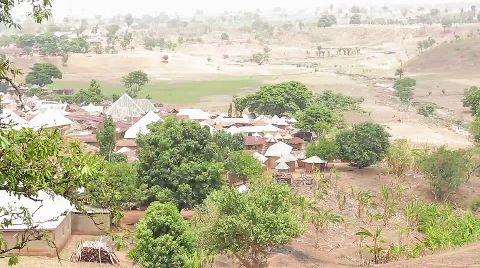
Nevertheless, thanks to the intervention by ACReSAL, whose impact has been astonishing, much to the excitement of residents, it got the community engaged, aiming to restore the degraded lands, through tree planting, supported with farm inputs.
Baba Soko said “we were engaged and part of the engagement has resulted in solving these challenges and other issues like lack of water and light. Previously, during the era of my predecessor, people come from the city to cut down trees, claiming they have the permit to do so. But, with the coming of ACReSAL, through enlightenment and education, we now know the worth of our trees in the forest. We strongly believe that in the future, it will be highly beneficial to our community”.


Undeniably, the impacts of tree planting are projected for the future. Yet, residents of Kujekwa are already feeling the benefits providing an added means of income, as elaborated by Hamidu Yakubu. He said “we now have an added source of income for individuals and the larger community. When the community tree grows (referring to the fruits), they will be sold we will use the money to solve our problems. Before the plantation of trees, ACRESAL made a group called Site Implementation Committee to guard the place. We go round checking to see if there are problems but so far, there are none. Also, we are been paid not owed for this”.
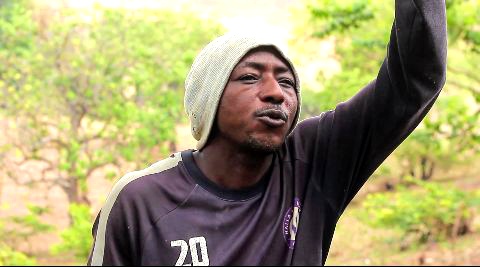
Another community resident, Jumai Ahmed, a 21 year old farmer said ”it’s been a wonderful relationship with ACReSAL. They continue to contribute to reforestation and conservation of forests across our community”.
Conclusion
Building on the success of the tree planting project in Kujekwa, ACReSAL hopes that the long-term sustainability and maximizing benefits for both the environment and communities are sustained, focusing on adaptive management, long-term monitoring, and integrating tree planting into broader restoration strategies.
