




Specialists on matters relating to persons with disability have lend their voices on ways of identifying the needs of trauma informed care for the impaired. They also spoke on the importance of sustained community-based trauma care.

Trauma-informed care is a structure aimed at responding to the signs of trauma, with the hope of supporting individuals who have encountered Adverse Childhood Experiences (ACEs) and toxic stress. It emphasizes safety, trust, collaboration, and empowerment in service delivery.
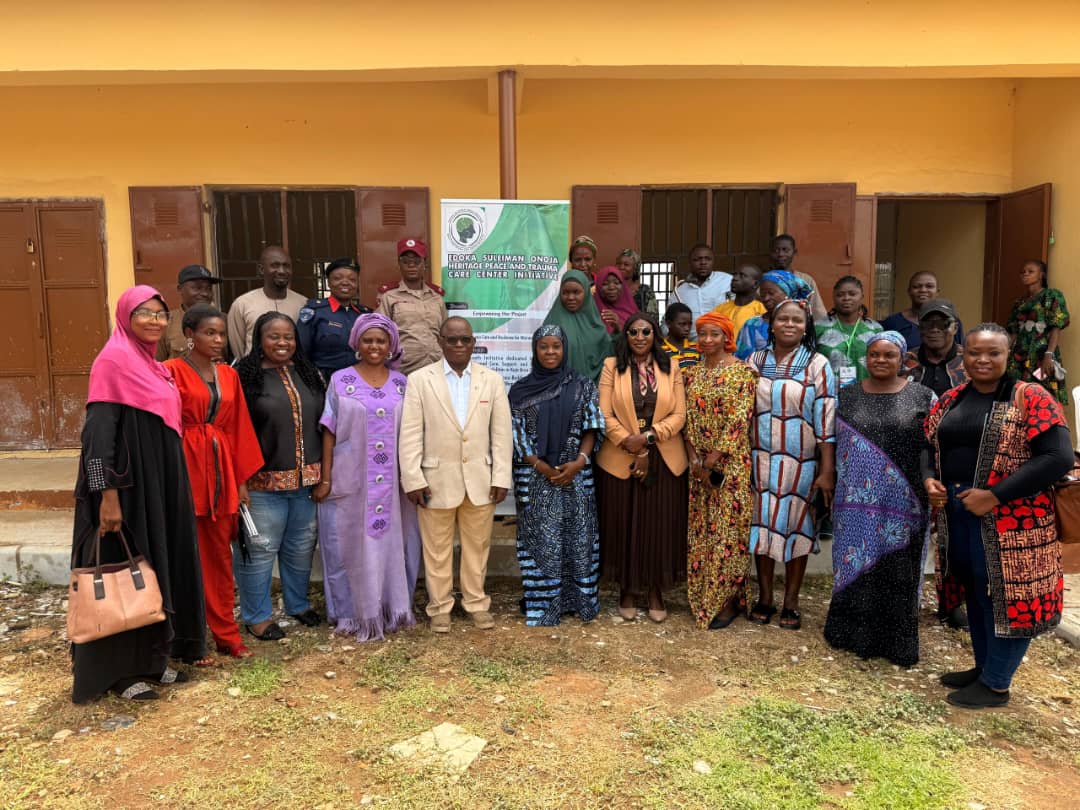
Speaking on Tuesday, at an event, the Empower Her Project, one for women with disability, to mark the end of months of advocacy, psychosocial support, capacity building, and community engagement, organised by the Edoka Sulieman Onoja Heritage Peace and Trauma Care Centre Initiative, Dr. Sa’adatu Adamu, a Consultant and Founder, Secure D-Future International Initiative emphasized on the importance of normalising conversations on trauma, revealing the significance of trauma inform care as pivotal to affected persons.
“Hearing these persons talk about their experiences, what they’ve been struggling with for years, the sleepless nights, what the society have been throwing at them, how they’ve been able to come out and share these experiences, breaking the silence, not afraid of the reaction from the public is huge, Dr. Adamu said.
“Now, they are able to manage and not hide their emotions.
“We should aim at looking at the gaps and what can be done for people in this space. How can we support them to strategically manage what they are going through. I’ve been involved in many projects, but, this is one of my highlights for this year so far”, she concluded.

Another consultant, Eworari Idiran James said more need to be done as lots have been identified “during the outreaches”on issues affecting persons with disability.
“We hope there will be opportunity to expand this program to reach out to as many people with disabilities who needs this intervention”, he enumerated.
Saadat Usman, representing the Joint National Association With Persons With Disability, has this to say. “This kind of intervention should reach out to all, whether you are passing through disability or not. There are many faced with lots of challenges. So, when you counsel and provide this kind of care, it will go a long way to help and make them better.
A representative of the Kuje Area Council commended the initiative, describing the Empowering Her Safe Space as “the first of its kind” in the region. He assured of his continued support for inclusive interventions.
Some persons with disability expressed satisfaction at the level of care and support shown.
Justina Kennett was greatly inspired and admitted that she’s been helped “a lot” on strategies on how to live with individuals, also, how to manage others that are having trauma healing issues, while Mai Kasuafa Philip, a physically challenged and gate keeper for community of persons with disability, appreciated the Edoka Foundation for the enlightenment.
“We have been suffering from trauma, but today, we have learnt and have been trained. We will go and tell our people what is called trauma and the trauma and how to manage it.
The project’s success was anchored on strategic activities that include mapping and needs assessment in Kuje Area Council, a project launch and stakeholder focus group discussion, training of 12 counselors/mentors on trauma-informed care, a three-day awareness workshop with over 80 women from the 10 wards of Kuje, the unveiling of a dedicated safe space for counseling and empowerment, and sensitization walk and community-based outreaches to underserved areas like Dafara and Gaferi.
The objective of the function is to minimize re-traumatization and promote healing by understanding the impact of trauma on health and behavior.
In attendance were community and religious leaders, and women with disability, the primary beneficiaries of the project.