

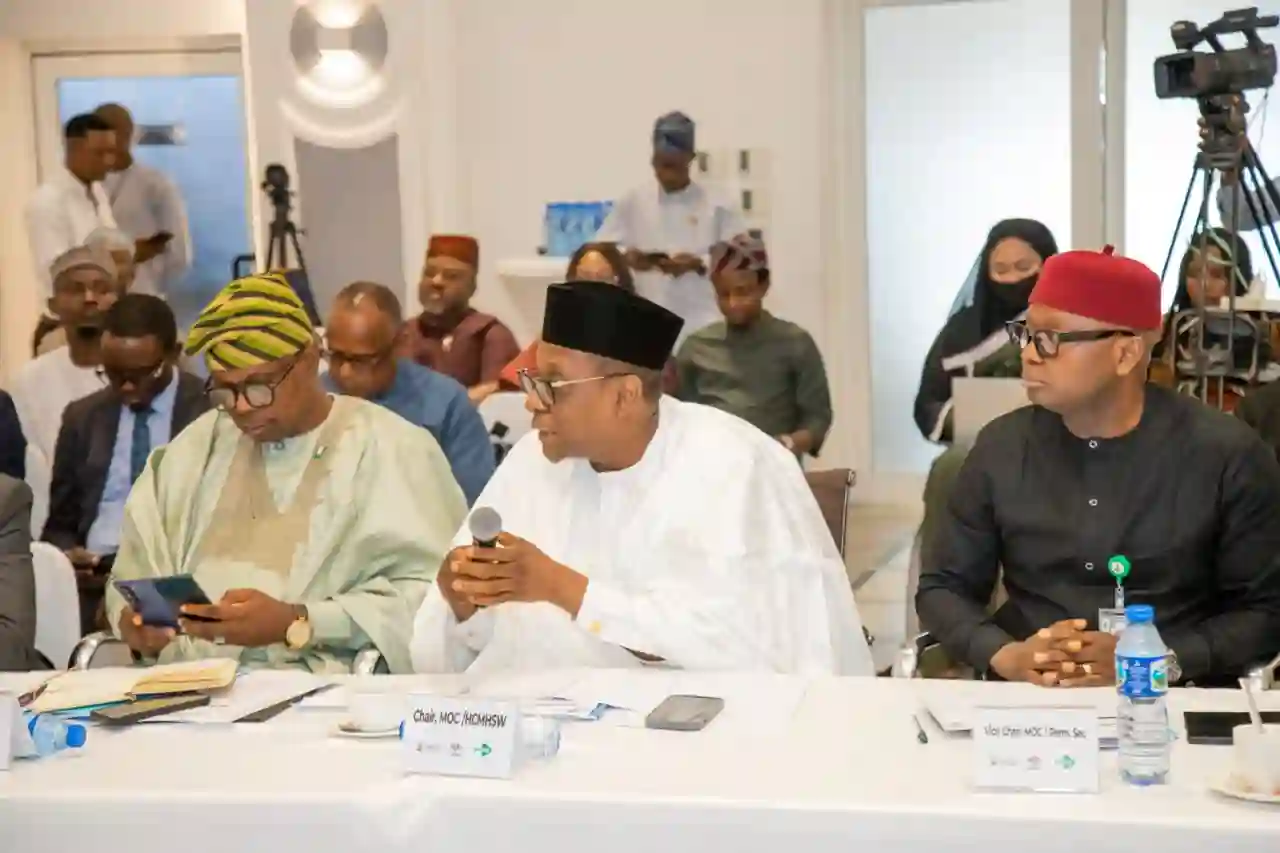

In a major move to combat childhood hearing loss, Nigeria’s Ministry of Health and Social Welfare today joined the world in observing World Hearing Day 2026, calling for urgent action to protect children’s hearing from preventable causes.
This year’s theme, “From Communities to Classrooms: Hearing Care for Every Child,” highlights the need for coordinated efforts linking community awareness with school-based interventions, ensuring that no Nigerian child is left behind.

The Honourable Minister of State for Health and Social Welfare, Iziaq Adekunle Salako, explained that hearing is critical to children’s communication, learning, and emotional development. Globally, over 34 million children live with disabling hearing loss, with low- and middle-income countries bearing the heaviest burden.
He noted that in Nigeria, preventable factors—such as untreated ear infections, excessive noise exposure, maternal infections during pregnancy, and limited early screening—continue to drive childhood hearing impairment.
“Up to 60% of childhood hearing loss can be prevented through timely interventions, including vaccination, early detection, and proper ear care,” the Minister said in a statement issued by the Assistant Director of Press and Public Relations of the Ministry.
In response, the Federal Government has expanded the National Eye Health Programme to the National Eye, Ear and Sensory Health Functions Programme, integrating hearing and other sensory health services into national health planning. Eye Health Desk Officers across all 36 states and the Federal Capital Territory now have mandates covering hearing health, while the Ministry develops policies and guidelines to institutionalise hearing care.
Mr. Salako stressed the importance of early detection, urging parents, caregivers, and healthcare workers to monitor for warning signs such as delayed responses to sound, speech delays, or frequent ear pain.
Schools will also play a central role, with plans to introduce newborn hearing screening, routine school checks, teacher training, and hearing-friendly classrooms.

“Protecting children from excessive noise, ensuring timely vaccinations, and promoting regular hearing checks can prevent most cases of childhood hearing loss”, he said.
He concluded that the government envisions a Nigeria where every child can hear clearly—from the sounds of their communities to lessons in classrooms, reinforcing a nationwide commitment to hearing care for all children.