


DURBAN, SOUTH AFRICA – Thousands of undocumented migrants in South Africa are living in fear as a June 30 deadline issued by anti-immigration groups for foreigners to leave the country draws closer.
Many migrants, particularly from Malawi, Zimbabwe, Mozambique, Ghana and Nigeria, have reportedly fled their homes following threats and intimidation in several communities, especially in KwaZulu-Natal Province.

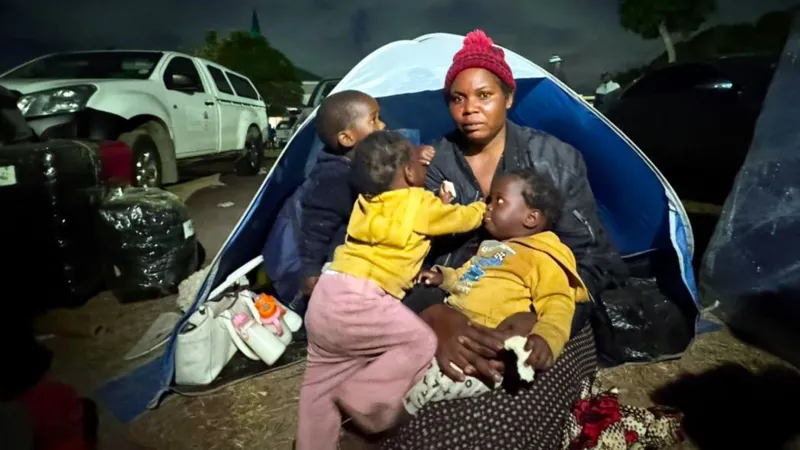
Among them is 36-year-old Malawian national Esnat Joseph, who said armed men attacked her family in Durban and ordered them to leave the country.
According to Joseph, a group of men carrying machetes and whips stormed her home, assaulted her husband and threatened to kill him. The attack forced her to flee with her one-year-old triplets to a temporary camp where thousands of migrants have gathered while awaiting evacuation.
Humanitarian organisations have been providing food, blankets and other essentials to displaced migrants as several African governments arrange transportation for their citizens willing to return home.
The growing tension follows months of protests led by anti-migrant groups and political activists who accuse undocumented foreigners of placing pressure on jobs, healthcare services and other public resources.
Protesters have set June 30 as the date by which undocumented migrants should leave South Africa, with demonstrators frequently chanting slogans demanding the departure of foreigners.

South African President Cyril Ramaphosa has condemned acts of intimidation and warned against xenophobia, describing the targeting of vulnerable migrants as an unacceptable response to the country’s economic challenges.
“There is no space for xenophobia, racism or intolerance in South Africa,” the president said while unveiling measures aimed at strengthening immigration controls and addressing illegal migration.
The government has also announced stricter enforcement of immigration laws, including sanctions against employers who hire undocumented workers and efforts to combat corruption within the migration system.
South Africa, Africa’s most industrialised economy, is home to more than three million documented foreign nationals, while authorities estimate that many more live in the country without legal status.
The country continues to struggle with high unemployment, particularly among young people, fueling tensions over access to jobs and public services.
Human rights groups have expressed concern that the current climate could trigger a resurgence of xenophobic violence similar to attacks witnessed in 2008, 2015 and 2019, which left dozens dead and displaced thousands.
Despite assurances from the government, many migrants say they no longer feel safe. Some have chosen to leave voluntarily, while others remain uncertain about their future as the June 30 deadline approaches.
With buses already transporting hundreds of migrants back to their home countries, fears continue to grow that the situation could escalate if tensions are not carefully managed in the coming weeks.